
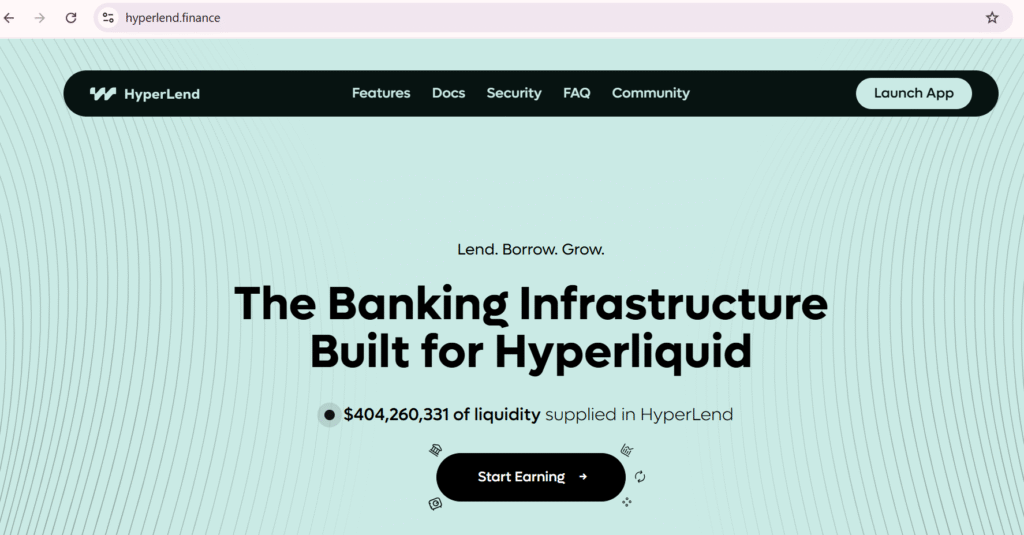
A serious warning has been issued by a crypto investigator regarding a new wave of phishing scams targeting users through fake advertisements for the HyperLend project on Google.
These deceptive ads are appearing prominently in Google search results and are designed to look identical to official HyperLend links.
According to Scam Sniffer, a prominent Web3 anti-scam group, clicking on these ads redirects users to malicious sites disguised as genuine decentralized applications (dApps).
Once there, victims are prompted to sign fraudulent transactions, unknowingly giving attackers permission to access and drain their digital wallets.
The method has proven alarmingly effective, especially as the ads exploit the perceived trustworthiness of Google’s advertising platform.
Scam Relies on Google Ad Exploits to Mimic Legitimate Platforms
Cybercriminals are leveraging Google’s search ad system to execute sophisticated phishing attacks that prey on user trust.
By purchasing ad space and replicating the look and feel of legitimate HyperLend interfaces, scammers have created near-identical dApp replicas that deceive users into thinking they are engaging with authentic services.
These fake platforms prompt users to connect their wallets and approve seemingly routine transactions, which are actually malicious scripts that grant scammers full control over their assets.
Scam Sniffer’s official post on X (formerly Twitter) warned users that these scams are “designed to drain your wallet through malicious transaction signatures”.
The development goes to add that even experienced crypto users could fall victim to these deceptive tactics.
Community Urged to Remain Cautious Amid Surge in Web3 Phishing Threats
In light of the increasing prevalence of these scams, Scam Sniffer and other security experts are urging crypto users to be extremely cautious when accessing DeFi platforms via search engines.
They recommend verifying website URLs manually and using bookmarks or official site links to prevent redirection to phishing sites.
The incident comes at a time when Google is enforcing stricter crypto ad regulations in Europe under the MiCA (Markets in Crypto-Assets) framework, requiring licensing for crypto service providers.
While these regulations aim to enhance user protection, experts warn that compliance costs may disproportionately affect smaller platforms.
Also, this potentially drives more users toward unregulated or malicious alternatives if awareness isn’t maintained.
Also Read: Binance Partners with Worldpay to Enable Crypto Purchases via Apple Pay and Google Pay
Google Ads a Growing Vector for Crypto Phishing: Other Major Scams Exposed
The HyperLend scam is not an isolated incident but part of a growing trend of crypto phishing attacks facilitated through Google’s ad system.
Similar campaigns have used fraudulent ads for fake platforms like “HyperSwap” and “PumpSwap” to lure users into handing over wallet access.
In each case, the scam involves users unknowingly visiting fake dApps and authorizing transactions that allow attackers to execute wallet-draining operations.
Security researchers have repeatedly stressed the importance of two-factor authentication (2FA), manual link verification, and a heightened awareness of phishing tactics.
These evolving scams highlight a troubling vulnerability in the crypto ecosystem and the urgent need for users and platforms alike to adopt stricter security practices.