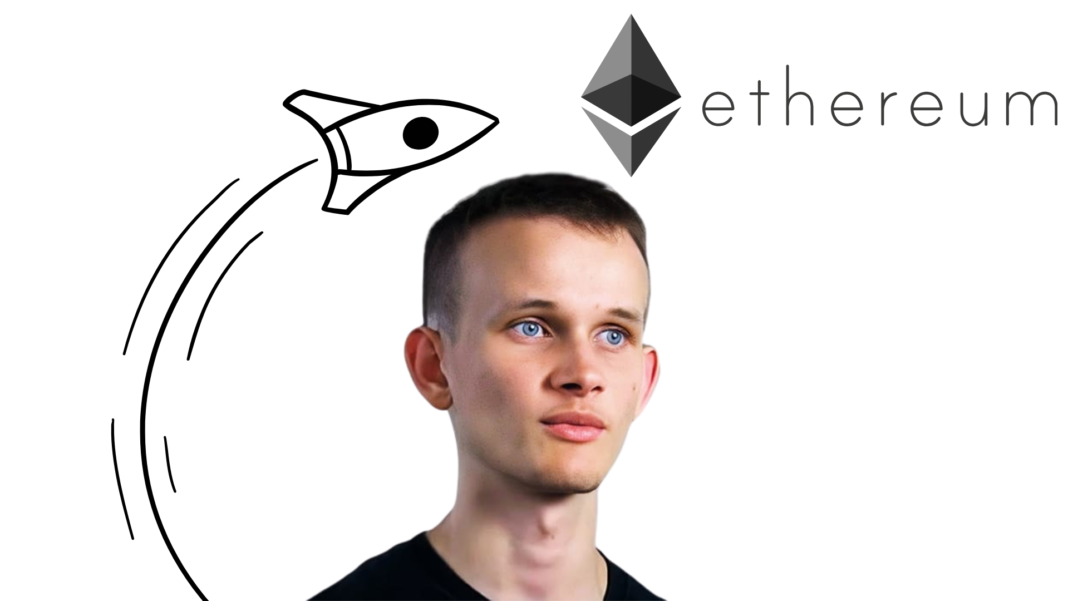


Ethereum co-founder Vitalik Buterin has sparked a significant discussion in the cryptocurrency community by challenging the traditional models of Decentralized Autonomous Organization (DAO) governance.
Responding to comments about the varying levels of gatekeeping in different DAO forums, Buterin highlighted a crucial point: “Technically, any currency is permissioned: you need permission from existing holders to become a holder.”
This statement shows a fundamental aspect of token-based governance systems, suggesting that even seemingly open systems have inherent barriers to entry.
Buterin’s critique specifically targeted high-profile projects like ApeCoin and Arbitrum, questioning the effectiveness of their current governance structures in achieving true decentralization and inclusivity.
Analyzing the Spectrum of DAO Governance Structures
Buterin’s comments were in response to a post outlining three levels of gatekeeping in DAO governance forums. At one end of the spectrum is Zuzalu, described as the most sophisticated with three distinct levels of access based on participation in physical events.
In the middle, ApeCoin’s governance forum requires users to hold $APE tokens to participate, while Arbitrum DAO represents the most open structure, requiring only an email for signup. Buterin suggests that there is a continuous trade-off space between these models, particularly between ApeCoin and Zuzalu levels of permission approval.
He proposes the possibility of structures where becoming a member requires permission from more than one existing member, yet remains relatively open, hinting at a more nuanced approach to DAO governance.
Proposing Alternative Models for DAO Membership
In his critique, Buterin introduces the concept of a “quadratic funding style mechanism” for accumulating membership points. This proposed system would be weighted by existing membership points, potentially creating a more balanced and fair method of gaining influence within a DAO.
By suggesting this approach, Buterin aims to address the limitations of current token-based systems while maintaining a level of decentralization and permissionlessness. He explicitly calls for experimentation with such models, mentioning communities like the Optimism citizens’ house and Zuzalu as potential testing grounds for these new governance structures.
This call to action highlights Buterin’s ongoing commitment to evolving and improving decentralized governance mechanisms.
The Future of DAO Governance: Beyond Token Holdings
Buterin’s vision for the future of DAO governance extends beyond simple token holdings. He emphasizes the importance of “formalizing and measuring membership” as a crucial step that precedes any formalized governance structure.
The Ethereum co-founder expresses a desire to see more ways of establishing formalized membership that are highly decentralized and permissionless, yet not solely based on token holdings.
This perspective challenges the crypto community to think beyond current paradigms and explore innovative ways to measure and validate participation in decentralized organizations.
By pushing for this evolution, Buterin aims to create more inclusive, fair, and truly decentralized governance systems that can better serve the diverse needs of DAO participants and potentially set new standards for organizational governance in the digital age.